Category: Plumbing

  • What Metal is Used for Pipes in Plumbing in Houses

    What Metal is Used for Pipes in Plumbing in Houses

    Choosing the right plumbing pipes is crucial for a home’s plumbing system. Different metals offer unique benefits and drawbacks.

    Copper, galvanised steel, brass, and stainless steel are common choices. Each has its own set of advantages and disadvantages.

    Understanding these materials helps in making informed decisions. Homeowners and professionals alike benefit from knowing the best options.

    This guide explores the metals used in residential plumbing. It provides insights into their applications and suitability.

    By the end, you’ll have a clearer understanding of plumbing pipe materials. This knowledge aids in selecting the best fit for your needs.

    Overview of Plumbing Pipe Materials

    Plumbing systems rely on a variety of materials, each chosen for specific properties. Metal pipes are preferred for their strength and durability.

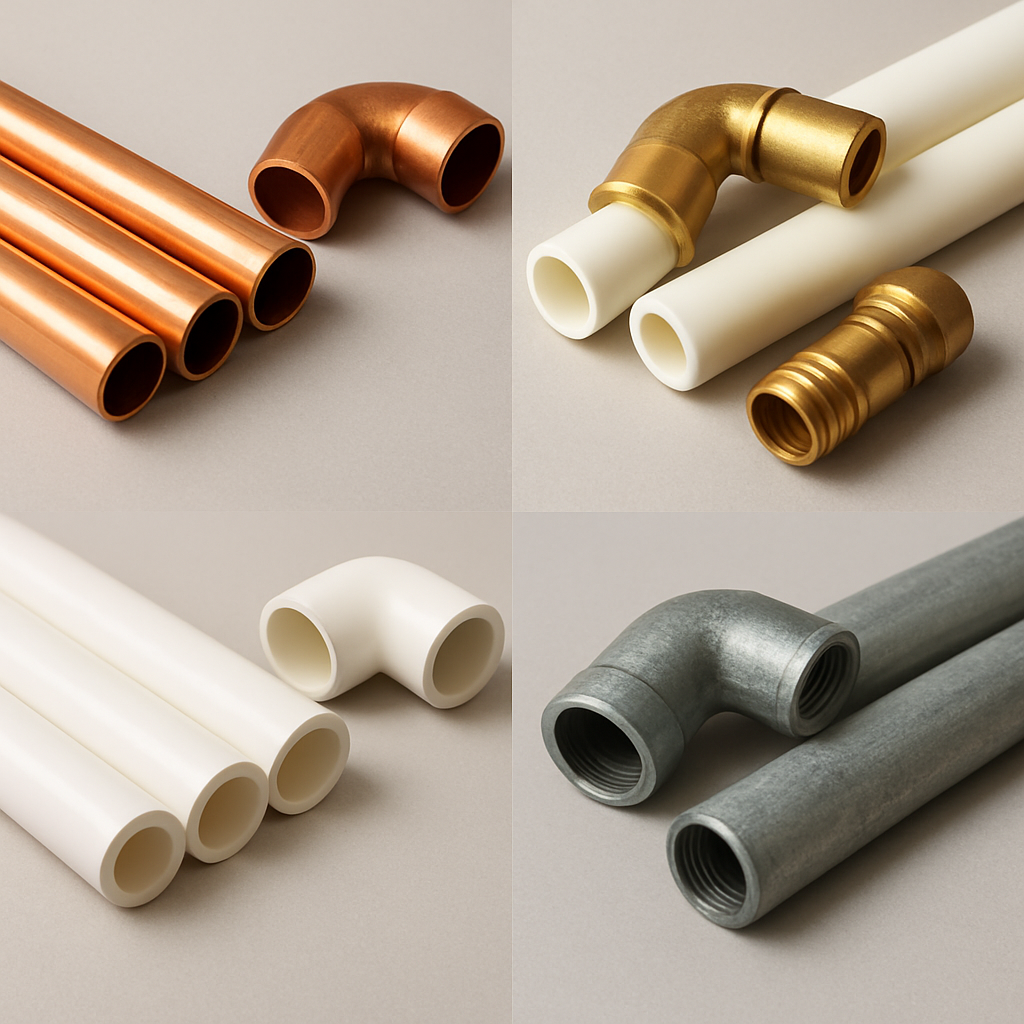
    Traditionally, several metals have been utilised in plumbing. Copper, galvanised steel, brass, and stainless steel remain popular choices. Each offers unique benefits, making them suitable for different plumbing requirements.

    Modern plumbing also includes non-metal options. PEX, PVC, and CPVC pipes provide flexible and cost-effective alternatives to metal. They are often chosen for ease of installation and affordability.

    When deciding on plumbing materials, consider factors like longevity, cost, and application. Here’s a brief list of common metal plumbing pipes:

    • Copper
    • Galvanised Steel
    • Brass
    • Stainless Steel
    Various plumbing pipe materials

    Balancing these considerations ensures a reliable and efficient plumbing system.

    Copper Pipes: The Gold Standard in Residential Plumbing

    Copper pipes have been a staple in residential plumbing for decades. Their impressive strength and reliability have made them a top choice.

    Homeowners favour copper for its excellent corrosion resistance. Input (British English):

    This metal doesn’t rust easily, ensuring longevity and safety in water supply lines.

    Additionally, copper is known for its heat tolerance. It’s ideal for both hot and cold water pipes, providing versatility and consistent performance.

    While copper pipes can be more expensive than alternatives, their durability justifies the investment. Their long-term benefits often outweigh the initial costs.

    Here are key features that make copper pipes a top choice:

    • High corrosion resistance
    • Thermal resilience
    • Long lifespan
    • Recyclable and eco-friendly
    Copper pipes in residential plumbing

    Ultimately, copper stands out as a reliable material for residential plumbing, providing peace of mind in any plumbing system.

    Types of Copper Pipes: Rigid vs. Flexible

    Copper pipes are available in two primary forms: rigid and flexible. Each type has specific uses and advantages.

    Rigid copper pipes are sturdy and often used for new water lines.

    Their strength ensures long-lasting, stable installations.

    Flexible copper pipes are used in tight spaces. Their bendability allows them to navigate around obstacles.

    Here’s a quick comparison:

    • Rigid Copper: Durable and ideal for long runs.
    • Flexible Copper: Easy to bend, perfect for tight spots.

    Both types serve critical roles in modern plumbing systems, accommodating diverse installation scenarios.

    Advantages and Disadvantages of Copper Pipes

    Copper pipes offer numerous advantages. Their resistance to corrosion and high temperatures makes them highly reliable.

    Another plus is copper’s recyclable nature. This supports environmentally friendly practices in plumbing installations.

    However, copper pipes can be pricey. They sometimes cost more than alternative materials like PEX or PVC.

    Here’s a summary of the pros and cons:

    Advantages:

    • Long-lasting and durable
    • Resist corrosion and heat
    • Environmentally friendly due to recyclability

    Disadvantages:

    • Higher cost than some alternatives
    • May require professional installation for optimal results

    Choosing copper involves weighing these factors to align with your plumbing needs and budget.

    Galvanised Steel Pipes: Once Common, Now Rare

    Galvanised steel pipes were a popular choice in homes from the early 20th century. They offered an affordable solution and were widely installed in residential plumbing systems.

    These pipes have a zinc coating designed to prevent rust. However, over the years, they’ve become less desirable due to several drawbacks.

    Modern homeowners and plumbers often avoid galvanised steel. Issues like rust, mineral build-up, and water discolouration are common concerns.

    Here’s why they have fallen out of favour:

    • Prone to rust and corrosion over time
    • Can cause water pressure problems
    • Often leads to water quality issues

    With these limitations, newer piping materials are now preferred in home plumbing systems.

    Issues with Galvanised Steel Pipes

    Galvanised steel pipes face several significant issues. Their zinc coating can deteriorate, leading to rust and corrosion.

    Water quality is often a concern, as these pipes can release particles. These particles may discolour water and affect taste.

    Key problems include:

    • Rust build-up leading to blockages
    • Decreased water flow and pressure
    • Potentially harmful contaminants affecting drinking water

    Overall, understanding these issues helps in making informed decisions about plumbing upgrades.

    Brass Pipes: Durable and Reliable

    Brass pipes stand out for their durability and superior rust resistance. They are often preferred in plumbing systems that require longevity.

    One of the key benefits of brass is its ability to withstand high water pressure. This makes it an excellent option for main water lines.

    Brass also offers a long service life, often outlasting other materials. It’s known for being easy to work with and having a reduced risk of leaks.

    Benefits of brass pipes include:

    • Excellent resistance to rust and corrosion
    • Long lifespan and durability
    • Suitable for high water pressure conditions

    Homeowners value brass for both its aesthetic appeal and its functional reliability, ensuring a stable plumbing system.

    Stainless Steel Pipes: Modern and Resilient

    Stainless steel pipes are known for their sleek appearance and strength. They’re often used in areas exposed to harsh conditions due to their remarkable corrosion resistance. Stainless steel is particularly favoured where aesthetics and performance converge.

    Key characteristics of stainless steel pipes include:

    • High resistance to corrosion
    • Durable and long-lasting
    • Appealing for exposed plumbing setups

    While more costly than other materials, their resilience offers peace of mind. This makes them a valuable investment in high-quality plumbing solutions.

    Lead Pipes: A Hazard of the Past

    Lead pipes were once popular in plumbing systems due to their pliability and ease of use. However, they posed significant health risks linked to lead exposure. Consequently, their use is now banned.

    Important facts about lead pipes include:

    • Formerly common in older homes
    • Associated with severe health issues
    • Replaced by safer alternatives in modern plumbing

    Non-Metal Alternatives: PEX, PVC, and CPVC

    Non-metal pipes have gained popularity for their versatility and cost-effectiveness. One of the top choices is PEX, a flexible plastic pipe ideal for retrofits and tight spaces.

    Its ease of installation and resistance to limescale make it a favourite among homeowners.

    PVC, commonly used for waste pipes, is lightweight and affordable. It’s ideal for non-pressurised applications and stands out for its durability. CPVC shares similar features with PVC but has enhanced thermal resistance, making it suitable for hot water pipes.

    Non-metal plumbing options include:

    • PEX: Flexible and easy to install
    • PVC: Lightweight and cost-effective
    • CPVC: Handles higher temperatures

    Comparing Metal and Non-Metal Plumbing Pipes

    Choosing between metal and non-metal pipes depends on several factors. Metals like copper and stainless steel offer robust durability and longevity. Non-metals such as PEX, PVC, and CPVC provide flexibility and a lower price point, appealing to budget-conscious buyers.

    Each type has its pros and cons:

    • Metal pipes: Known for strength and durability
    • Non-metal pipes: Offer cost savings and versatility

    The right choice often hinges on specific project needs and budgets.

    Key Factors in Choosing Plumbing Pipe Materials

    Choosing the ideal plumbing pipe material involves several considerations. A primary factor is the specific needs of your plumbing system. Different requirements can influence whether you choose metal or non-metal pipes.

    Budget constraints also play a crucial role. Some materials, like stainless steel, are more expensive than options like PVC. Therefore, financial planning is vital in the selection process.

    Durability and maintenance needs should not be overlooked. Metal pipes often last longer but may require different maintenance compared to non-metal pipes. Ensuring long-term performance can save future costs.

    Environmental factors, such as climate and water quality, also impact material choice. Pipes exposed to harsh conditions benefit from materials with superior corrosion resistance.

    Key considerations include:

    • Project requirements
    • Budget constraints
    • Durability and maintenance
    • Environmental factors

    Material Comparison Table: Metals Used in Plumbing Pipes

    Understanding different metals used in plumbing can help make informed choices. Here’s a quick comparison of common metals and their key characteristics:

    • Copper: Durable, corrosion-resistant, recyclable
    • Galvanised Steel: Economical, prone to rust, used less nowadays
    • Brass: Rust-resistant, long-lasting
    • Stainless Steel: High corrosion resistance, aesthetically pleasing
    • Lead: Banned due to health risks

    This table highlights their strengths and considerations, aiding informed decisions.

    Environmental and Health Considerations

    Choosing the right plumbing materials is essential for health and environmental impact. Lead pipes, once common, are now banned because of their severe health risks. Modern materials offer safer alternatives, ensuring clean water supply.

    Eco-friendly choices, like copper and stainless steel, are recyclable and sustainable. Considerations should include both immediate and long-term effects on health and the environment.

    • Recyclability: Copper, Stainless Steel
    • Safety: Lead-free materials
    • Sustainability: Reusable and eco-conscious materials

    Selecting the right materials reduces environmental footprint and health hazards.

    Frequently Asked Questions About Plumbing Pipe Materials

    What metal is most commonly used for plumbing pipes?

    Copper is the most commonly used metal for plumbing in homes due to its durability and reliability.

    Why are lead pipes no longer used?

    Lead pipes present serious health risks, particularly to children, due to potential lead exposure, leading to their ban.

    Can I switch from metal to non-metal pipes?

    Yes, switching is possible, but it requires professional assessment to ensure compatibility and adherence to local regulations.

    • Common Metal: Copper
    • Lead Risks: High health concerns
    • Switching Options: Professional guidance needed

    Understanding these FAQs helps in making informed decisions about plumbing installations and upgrades.

    Conclusion: Making the Right Plumbing Choices for Your Home

    Choosing the right plumbing materials is crucial for a safe and efficient household. Consider your specific needs, local regulations, and future expansions when selecting pipes.

    Evaluate both metal and non-metal options based on cost, durability, and environmental impact. Informed decisions enhance the reliability of your plumbing system whilst ensuring long-term satisfaction and comfort in your home.
  • Is a Leaking Condensate Pipe Dangerous?

    Is a Leaking Condensate Pipe Dangerous?

    A leaking condensate pipe might seem minor, but it can lead to serious issues. These pipes are part of your HVAC system, designed to drain excess moisture. When they leak, they pose risks of water damage to your home.

    Moisture damage from leaks can cause mould growth, which is a health hazard. Mould can spread quickly, affecting air quality and causing respiratory issues.

    Water damage can also weaken your home’s structure over time. This can lead to costly repairs and even compromise the safety of your home.

    Increased humidity from leaks can damage belongings and create discomfort. It’s crucial to address leaks promptly to prevent these problems.

    Regular maintenance of your HVAC system can help prevent leaks. Understanding the signs of a leaking condensate pipe is key to protecting your home.

    What is a Condensate Pipe and How Does it Work?

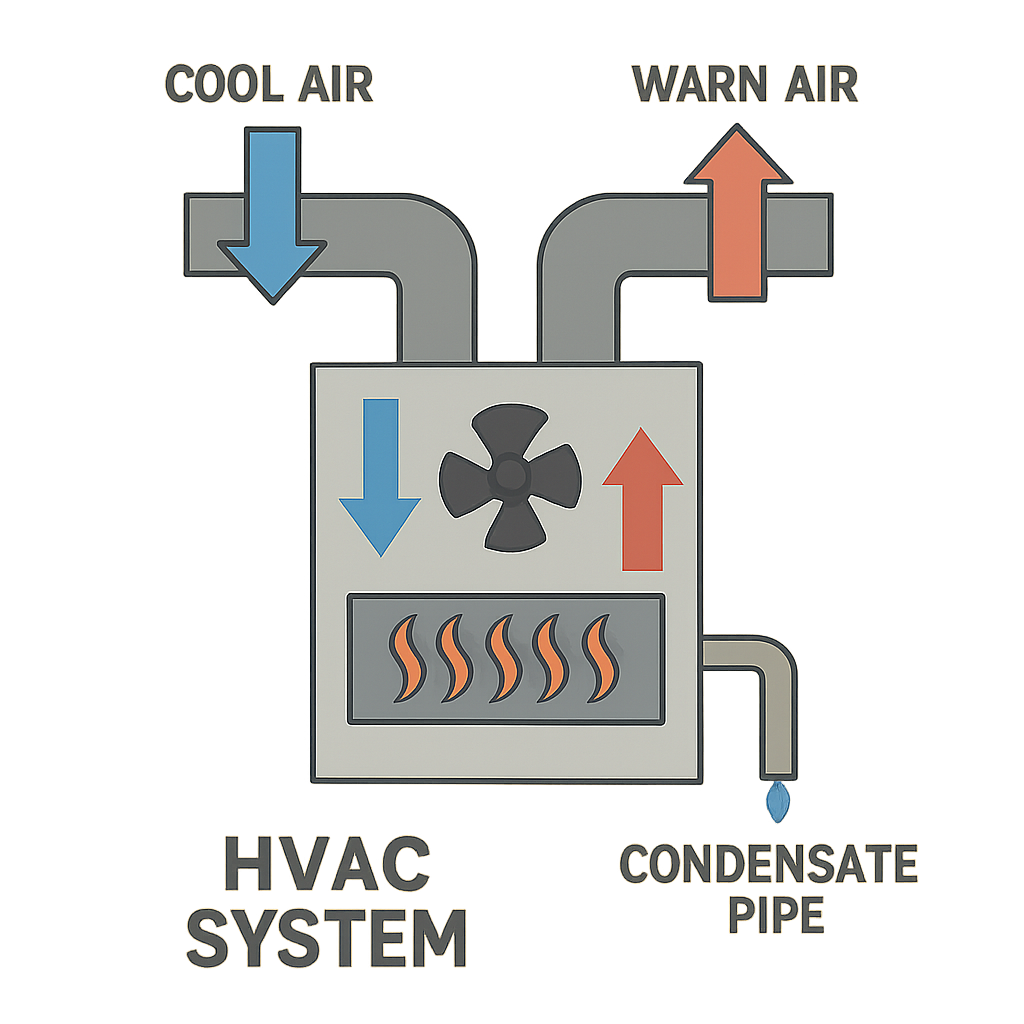
    A condensate pipe is an integral component of HVAC systems. Its primary role is to channel and expel excess moisture generated during system operation. This moisture forms when your HVAC system cools or dehumidifies air.

    This pipe typically runs from your HVAC system to the outside of your home. It prevents water accumulation, which could lead to damage. Without this pipe, the moisture would have nowhere to go, increasing water damage risks.

    The process works through condensation. As warm air passes over cold evaporator coils, it cools down and moisture condenses. This water then drains away via the condensate pipe.

    Key functions of the condensate pipe include:

    • Carrying away excess moisture
    • Preventing water buildup
    • Reducing humidity levels

    Ensuring the condensate pipe is functional can help keep your HVAC system efficient. Proper operation of this pipe prevents both moisture and structural damage.

    Diagram of an HVAC system showing a condensate pipe

    Common Causes of Condensate Pipe Leaks

    Leaks in condensate pipes can arise from several common issues. One prevalent cause is blockages, often due to debris or algae build-up inside the pipe. These blockages prevent water from draining properly, leading to leaks.

    Corrosion is another factor that contributes to leaks in condensate pipes. Over time, pipes can degrade, resulting in cracks or holes through which water can escape.

    Improper pipe installation is also a frequent culprit. If the pipe is not correctly aligned or secured, leaks may occur. Ensuring a correct slope is crucial for effective drainage.

    Physical damage to the pipe, perhaps from external forces or pressure, can cause leakage as well.

    Here are some typical causes of leaks:

    • Blockages from debris or algae
    • Pipe corrosion or wear
    • Incorrect installation or alignment
    • Physical damage or pressure

    Identifying these issues early can save homeowners from extensive repairs. Regular inspection of the condensate pipe can help in detecting potential problems before they escalate.

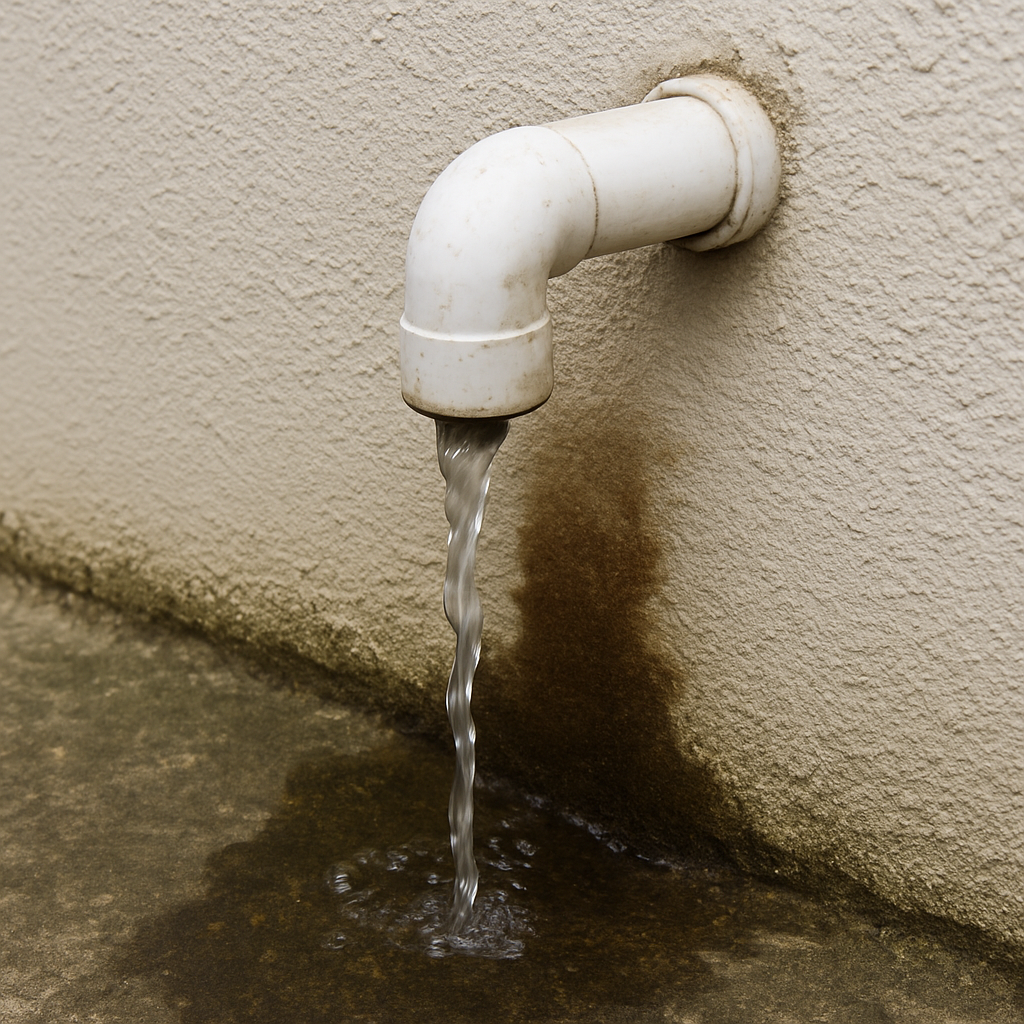
    Example of a leaking condensate pipe due to blockage

    Signs and Symptoms of a Leaking Condensate Pipe

    Recognising the signs of a leaking condensate pipe is key to preventing severe damage. Water stains appearing on walls or ceilings can indicate a leak. These stains are often discoloured patches caused by the water seepage.

    Dampness around the HVAC unit is another common symptom. If the area feels unusually moist, it may indicate a leak.

    Unpleasant odours are a subtle yet significant sign. Stagnant water from leaks can result in musty smells in the home.

    Listen for unusual sounds such as dripping or gurgling noises near the HVAC system. These can suggest water is not flowing properly.

    Here’s a quick checklist for spotting leaks:

    • Water stains on walls or ceilings
    • Dampness around the HVAC unit
    • Unpleasant, musty odours
    • Dripping or gurgling sounds

    Regular checks can help catch these indicators early and prevent costly repairs.

    Is a Leaking Condensate Pipe Dangerous?

    Yes, a leaking condensate pipe can be dangerous. It poses several risks to your home’s safety and integrity. Water seeping from a leak can slowly cause structural damage.

    Over time, wooden components may warp or rot. Metal parts can corrode, leading to further issues. Additionally, leaks can increase humidity levels indoors. This creates an uncomfortable living environment and potentially damages belongings.

    Moisture from leaks encourages mould growth. Mould not only harms surfaces but can also compromise air quality, posing health threats. Electrical systems might be at risk too. Water damage can lead to short circuits, creating fire hazards.

    Here are the dangers associated with leaking pipes:

    1. Structural damage
    2. Increased indoor humidity
    3. Mould growth
    4. Electrical system risks

    Leaks can also result in financial strain. Increased utility bills due to inefficient HVAC operation is common. Repairing extensive water damage can be costly if not addressed promptly.

    Financial repercussions of leaks include:

    • Higher utility costs
    • Expensive structural repairs
    • Mould remediation expenses

    By addressing condensate pipe leaks early, you can safeguard your home and health whilst saving money in the long run.

    Water Damage Risks from Leaking Condensate Pipes

    Leaking condensate pipes may lead to severe water damage risks in homes. Water can seep into floors, walls, and ceilings.

    Over time, this can weaken structural components, leading to costly repairs.

    Another risk involves the home’s interior finishes. Wallpaper and paint may begin to peel or bubble. This not only affects aesthetics but also decreases property value.

    Additionally, water damage can lead to the growth of mould and mildew. These fungi thrive in damp environments and can spread quickly. Their presence can cause health problems and further structural damage.

    Furniture and personal belongings are also at risk. Water can stain, warp, or ruin items near the source of a leak. Damage can extend to electronics and appliances, potentially leading to malfunctions.

    Key water damage risks include:

    • Structural weakening
    • Peeling finishes
    • Mould growth
    • Damage to belongings

    Early detection and repair of leaks are crucial. Addressing issues promptly can mitigate the extent of water damage. Maintaining the health and safety of your home depends on proactive measures.

    Moisture Damage and Its Impact on Your Home

    Moisture damage occurs when water vapour accumulates in areas it shouldn’t. Leaking condensate pipes contribute significantly to this issue. Prolonged exposure to excess moisture can lead to pervasive damage in homes.

    One major impact is the deterioration of building materials. Wood, plasterboard, and insulation can absorb moisture and degrade. This can compromise the home’s structural integrity over time.

    High humidity levels, facilitated by leaks, create a welcoming environment for pests. Insects such as termites thrive in moist conditions. Their presence can result in additional damage and expenses.

    Moisture can also cause finishes and fixtures to fade or warp. This affects the visual appeal of a space and requires repair or replacement. Preserving home aesthetics hinges on effective moisture control.

    Key impacts of moisture damage include:

    • Material degradation
    • Pest infestations
    • Aesthetic damage

    Moisture mitigation is essential to maintaining a healthy living environment. Regular inspections and maintenance can prevent extensive damage. Take proactive steps to protect your home from moisture.

    Health Risks Associated with Leaking Condensate Pipes

    Leaking condensate pipes pose significant health risks. Mould and mildew thrive in damp conditions, often spread by such leaks. These fungi release spores that can be harmful when inhaled.

    Individuals with respiratory issues, such as asthma, are particularly susceptible. Mould exposure can exacerbate symptoms, leading to increased discomfort.

    Beyond respiratory issues, prolonged mould exposure may cause other health concerns. Skin irritation, eye redness, and sinus congestion are common complaints.

    Key health risks linked to condensate leaks:

    • Respiratory issues
    • Allergic reactions
    • Skin irritation

    Addressing leaks promptly can mitigate these health hazards. Regular HVAC maintenance helps prevent mould growth and protect occupants’ well-being.

    How to Prevent Condensate Pipe Leaks

    Preventing condensate pipe leaks begins with regular maintenance. Consistent checks ensure the HVAC system operates efficiently, reducing leak risks.

    Keeping the condensate lines clean is crucial. Blockages often lead to overflows and leaks. Regular cleaning prevents clogs and promotes smooth drainage.

    Proper insulation of pipes also plays a vital role. Insulation helps prevent condensation, a common cause of leaks. Ensuring pipes are correctly sealed further reduces the potential for leaks.

    Key prevention tips include:

    • Schedule regular HVAC maintenance
    • Clean condensate lines frequently
    • Insulate and seal pipes properly

    Educating household members about leak signs can aid early detection. Prompt action at the first indication of trouble can save costly repairs and protect your home.

    What to Do If You Discover a Leak

    Discovering a leaking condensate pipe can be alarming. First, turn off your HVAC system. This step helps prevent further water damage.

    Next, examine the pipe for visible issues. Check for clogs, cracks, or disconnects. Small problems like these can often be fixed easily.

    You might be able to perform a quick temporary fix. Use materials on hand, like duct tape, for immediate action until professional help arrives.

    Immediate actions include:

    • Turning off the HVAC system
    • Inspecting the pipe for damage
    • Performing a temporary fix

    Addressing the leak promptly can minimise damage to your home.

    If the problem persists, contacting a professional ensures comprehensive repairs and prevents future issues.

    When to Call a Professional

    Sometimes, dealing with a leaking condensate pipe requires expert attention. If the leak continues despite your efforts, it’s time to call a professional plumber .

    Visible damage or corrosion on pipes is a sign you need help. Also, if you notice significant water damage, don’t delay seeking professional plumbing services.

    Consider professional help when:

    • DIY solutions fail
    • You see extensive damage
    • Continuous leaks occur

    Quick action ensures effective repair and prevents further home damage. Professional expertise provides peace of mind.

    Frequently Asked Questions About Condensate Pipe Leaks

    Curious about condensate pipe leaks? Here are some common questions answered. Understanding the basics can help prevent and manage leaks.

    What causes condensate pipe leaks?

    Leaks often stem from blockages, corrosion, or improper installation.

    Regular maintenance helps to avoid these issues.

    How can I identify a leak?

    Look for water stains, damp areas, or unusual odours around your HVAC unit. Prompt detection minimises damage.

    What are the first steps if I notice a leak?

    Turn off the HVAC system and inspect for visible issues. Consider professional assistance for persistent problems.

    By addressing these FAQs, homeowners can manage leaks efficiently, protecting their property from extensive damage.

    Protecting Your Home from Water and Moisture Damage

    Preventing and addressing condensate pipe leaks is crucial for maintaining a safe, efficient home environment.

    Regular HVAC maintenance, early leak detection, and timely repairs significantly mitigate water and moisture damage risks.

    Always consider consulting professionals for persistent issues to ensure comprehensive, effective solutions, safeguarding your property in the long run.

  • How to Release Push Fit Plumbing Fittings

    How to Release Push Fit Plumbing Fittings

    Push fit plumbing fittings are a game-changer for DIY enthusiasts and homeowners. They offer a quick and easy way to connect pipes without the need for soldering.

    These fittings are popular for their simplicity and efficiency. They are used in both copper and plastic plumbing systems.

    Understanding how to release push fit plumbing fittings is essential for any plumbing project. It ensures you can make adjustments or repairs when needed.

    This guide will walk you through the process step-by-step. You’ll learn about the tools required and the techniques involved.

    Whether you’re a beginner or have some experience, this guide will help you master the task. With the right knowledge, you can handle plumbing tasks with confidence.

    Let’s dive into the world of push fit plumbing fittings and discover how to release them effectively.

    What Are Push Fit Plumbing Fittings?

    Push fit plumbing fittings are essential components used to join pipes quickly and efficiently. They eliminate the need for welding or adhesives, making them ideal for both novice and experienced plumbers.

    These fittings are compatible with various plumbing materials, including copper, PEX, and CPVC. This versatility allows them to be used across different plumbing systems.

    Push fit fittings are popular due to several advantages:

    • Easy to install without specialised skills
    • Suitable for both hot and cold water systems
    • Reusable if they remain undamaged during removal

    These fittings use an O-ring and a gripping mechanism to create a watertight seal. The O-ring is crucial as it prevents leaks and ensures durability in various water systems.

    Their user-friendly design makes them perfect for tight spaces or quick fixes. Whether you need a temporary repair or a permanent solution, push fit fittings are a reliable choice. They simplify complex plumbing tasks, bringing convenience and efficiency to your home projects.

    How Push Fit Fittings Work: The Basics

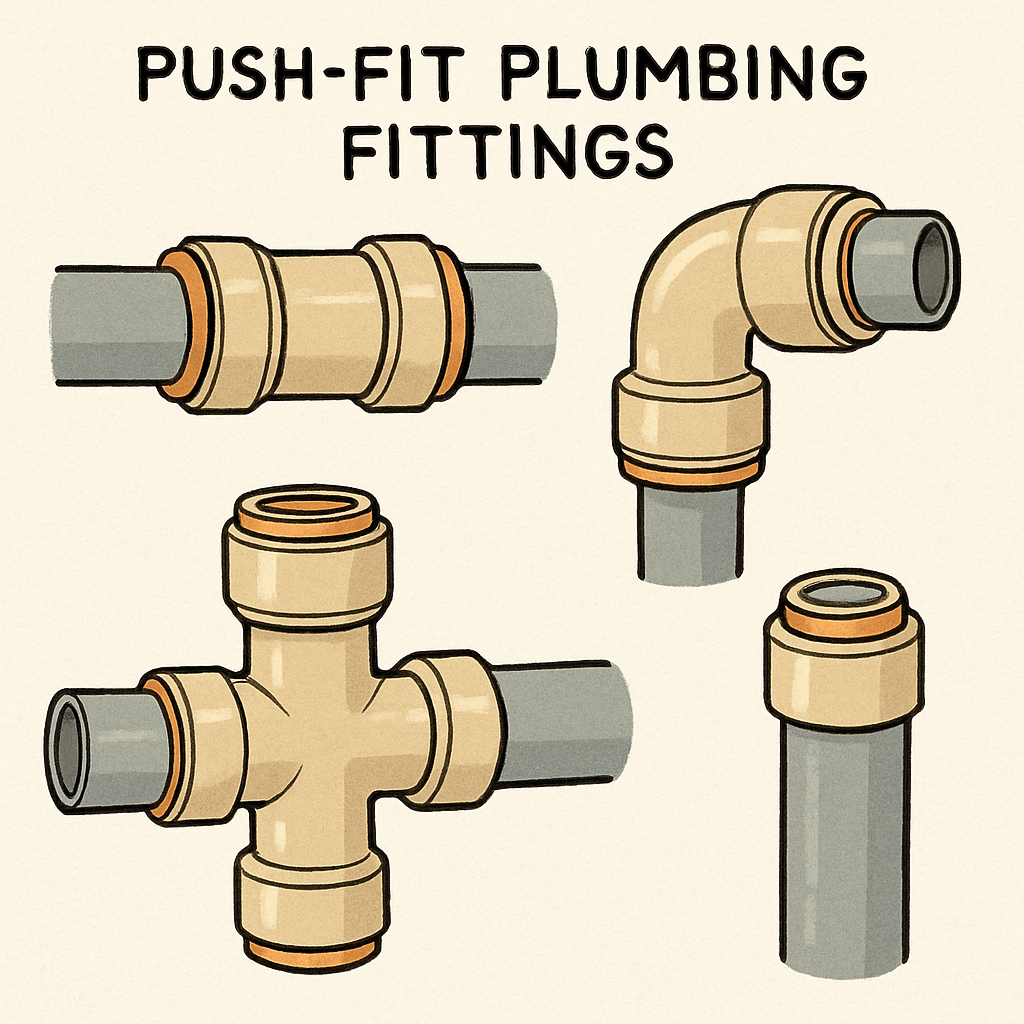
    Understanding the mechanics of push fit fittings helps ensure a secure installation. These fittings create a seal using a combination of an O-ring and a gripping mechanism. This design ensures a leak-proof connection in both water and gas applications.

    The process begins when a pipe is inserted into the fitting. The pipe pushes past a series of metal spurs inside the fitting. This action locks the pipe in place while the O-ring creates a watertight seal.

    Key features of push fit fittings include:

    • O-Ring Seal: Ensures a tight, leak-proof connection
    • Metal Teeth: Securely grip the pipe
    • Compatibility: Works with copper, CPVC, and PEX pipes
    Diagram showing the working of push fit fittings

    These features make push fit fittings a popular choice for both new installations and repairs. Their user-friendly design eliminates the need for bulky tools or extensive training. This ease of use makes them especially appealing for quick fixes and DIY projects. The versatility of push fit fittings enables efficient connections while maintaining reliability and durability.

    Tools and Accessories Needed to Release Push Fit Fittings

    Releasing push fit fittings requires specific tools to ensure precision and safety. The most essential tool is a disconnect clip or tongs designed for the fittings. This tool compresses the release collar, allowing the fitting to detach from the pipe with ease.

    Before starting the process, it’s important to gather additional plumbing accessories. You may need a pipe cutter for trimming, as well as a deburring tool to smooth pipe edges after removal. These tools help prepare the fitting and pipe for either reattachment or new installations.

    Here is a list of common tools and accessories:

    • Disconnect Clip/Tongs: Essential for fitting removal
    • Pipe Cutter: For clean, square cuts
    • Deburring Tool: Smooths pipe edges
    Image of disconnect clip and other plumbing tools

    Having these tools readily available simplifies the process. This readiness not only ensures a hassle-free experience but also enhances the overall quality of your plumbing task. Proper tools are crucial for effective and safe removal of push fit fittings.

    Step-by-Step Guide: How to Release Push Fit Plumbing Fittings

    Releasing push fit plumbing fittings is a straightforward task when done correctly. The key is to follow a systematic approach. Ensuring that you have the right tools and a clear plan is essential.

    Firstly, make sure to turn off the water supply. This is crucial to prevent leaks and flooding. Always double-check that the water is off before proceeding.

    Use the disconnect clip or tongs on the fitting’s release collar. These tools are designed to apply even pressure around the collar. Ensure the tool is properly positioned for effective compression.

    Gently push the tool against the release collar while pulling the pipe. The pipe should slide out effortlessly when done correctly. It’s important not to force it, as this could damage both the fitting and the pipe.

    To check for leaks, inspect the area once the pipe is removed. Use a cloth to wipe away any moisture. Be thorough, as this ensures no future water damage.

    Before reusing the fitting, inspect it for signs of wear or damage. Look for any visible cracks or debris.

    If the fitting looks compromised, replace it immediately.

    For guidance, here are the essential steps summarised:

    1. Shut off the water supply.
    2. Use disconnect clip/tongs on the release collar.
    3. Push the tool gently, then pull the pipe.
    4. Inspect the removed fitting and pipe.
    5. Check for any leaks around the area.

    If reusing the fitting, ensure that the pipe ends are smooth and clean. Use a deburring tool if necessary, preparing them for a reinstallation. This step guarantees a watertight seal when reattached.

    Image of inspecting and cleaning pipe ends

    Taking your time and following each step carefully is essential. It ensures a successful fitting release without damage. With practice, releasing push fit fittings becomes a quick and simple task.

    Tips for Removing Push Fit Copper Plumbing Fittings

    When working with push fit copper plumbing fittings, extra care is required. Copper is a durable yet malleable material. Handling it gently prevents unnecessary damage.

    Use a proper disconnect tool designed for copper fittings. This tool ensures a smooth removal process without damaging the pipe. It is essential for maintaining the integrity of copper pipes.

    Before removal, prepare the area by cleaning the pipe and fitting. Any debris can hinder the release process. A clean working environment contributes to a more successful outcome.

    Here are some helpful tips:

    • Always use a copper-compatible disconnect tool.
    • Support the pipe to prevent bending.
    • Avoid excessive force when disengaging the fitting.

    Remember, patience is crucial when dealing with metal pipes. Carefully executing each step ensures a quick and successful removal process. Following these tips makes handling copper fittings less daunting.

    Troubleshooting: Common Problems and Solutions

    Facing issues while removing push fit plumbing fittings is not uncommon. Input (British English):

    These problems usually arise from incorrect techniques or suboptimal conditions. Understanding these challenges helps in finding effective solutions.

    A frequent issue is leakage after reinstallation. This often occurs when the pipe isn’t clean or deburred. Ensure you clean and smooth the pipe’s edges before reconnecting.

    Another common problem is a stuck fitting, which can be frustrating. Often, exerting uneven pressure or using the wrong tool leads to this. Use the correct disconnect tool and apply even pressure to avoid stuck fittings.

    Here’s a handy list of common issues and solutions:

    • Leakage: Clean and deburr pipes before use.
    • Stuck fittings: Use the right tool and apply even pressure.
    • Misalignment: Ensure fittings are straight during installation.

    Misalignment during initial fitting can also cause problems. Always ensure fittings are straight and aligned when installed. Take time to check alignment to avoid future headaches.

    Can You Reuse Push Fit Fittings? Inspection and Reinstallation

    Reusing push fit fittings is possible if they are in good condition. Proper inspection is crucial to ensure functionality. Carefully examine both the fitting and the pipe for any signs of wear or damage before deciding to reuse them.

    Inspect the O-ring and other components for cracks or deformation. Any damaged parts may compromise the watertight seal, leading to leaks. If the fitting appears intact, it can usually be reused successfully.

    Before reinstallation, clean the pipe and the fitting thoroughly to remove any debris. This helps maintain a secure and leak-proof connection.

    Key steps for inspection and reuse:

    • Examine for damage.
    • Check the O-ring for wear.
    • Clean all components thoroughly.

    Safety Precautions and Best Practices

    Working with plumbing requires attention to safety. Always turn off the water supply before releasing any push fit plumbing fittings. This prevents potential water damage and ensures a safe working environment.

    Wear protective gear such as gloves and safety goggles when handling plumbing tools and fittings. This reduces the risk of injury from sharp edges or unexpected incidents. Proper attire can make a significant difference.

    Following the manufacturer’s guidelines is crucial for both installation and removal of fittings. These instructions are designed to maximise safety and efficiency. Ignoring these guidelines may lead to unintended damage or poor system performance.

    Key safety practices:

    • Turn off the water supply.
    • Wear protective gear.
    • Adhere to manufacturer guidelines.

    Frequently Asked Questions About Push Fit Plumbing Fittings

    Push fit plumbing fittings are designed to be user-friendly. Below, we address some common questions about these versatile plumbing solutions. Understanding these aspects can enhance your DIY plumbing skills.

    Can push fit fittings be used with any pipe material? Push fit fittings are compatible with various pipe materials, including copper, PEX, and CPVC. However, always check the manufacturer’s specifications to ensure compatibility.

    Do push fit fittings require special tools for installation? No special tools are needed for installation. However, a disconnect clip or tongs are recommended for removal.

    Are push fit fittings reusable? Yes, if they remain in good condition after removal. Inspect fittings for damage before reuse to ensure a leak-free connection.

    Key Points:

    • Compatible with different pipe materials.
    • No special tools for installation; removal tools recommended.

    Output (British English): markdown

    Frequently Asked Questions About Push Fit Plumbing Fittings

    Push fit plumbing fittings are designed to be user-friendly. Below, we address some common questions about these versatile plumbing solutions. Understanding these aspects can enhance your DIY plumbing skills.

    Can push fit fittings be used with any pipe material? Push fit fittings are compatible with various pipe materials, including copper, PEX, and CPVC. However, always check the manufacturer’s specifications to ensure compatibility.

    Do push fit fittings require special tools for installation? No special tools are needed for installation. However, a disconnect clip or tongs are recommended for removal.

    Are push fit fittings reusable? Yes, if they remain in good condition after removal. Inspect fittings for damage before reuse to ensure a leak-free connection.

    Key Points:

    • Compatible with different pipe materials.
    • No special tools for installation; removal tools recommended.
    • Reusable if undamaged and clean.

    Conclusion: Making the Most of Push Fit Plumbing Solutions

    Push fit plumbing fittings offer simplicity and efficiency for a range of plumbing tasks. They empower DIY enthusiasts and professional plumbers alike with ease of installation and reliability in performance.

    By following the steps and tips shared in this guide, you can release and reuse these fittings confidently. They represent a cost-effective and flexible option for numerous plumbing needs. Embrace the convenience and reliability that push fit plumbing solutions provide for your next project or repair.

  • How to Release Push Fit Plumbing Fittings

    How to Release Push Fit Plumbing Fittings

    Push fit plumbing fittings are a game-changer for DIY enthusiasts and homeowners. They offer a quick and easy way to connect pipes without the need for soldering.

    These fittings are popular for their simplicity and efficiency. They are used in both copper and plastic plumbing systems.

    Understanding how to release push fit plumbing fittings is essential for any plumbing project. It ensures you can make adjustments or repairs when needed.

    This guide will walk you through the process step-by-step. You’ll learn about the tools required and the techniques involved.

    Whether you’re a beginner or have some experience, this guide will help you master the task. With the right knowledge, you can handle plumbing tasks with confidence.

    Let’s dive into the world of push fit plumbing fittings and discover how to release them effectively.

    What Are Push Fit Plumbing Fittings?

    Push fit plumbing fittings are essential components used to join pipes quickly and efficiently. They eliminate the need for welding or adhesives, making them ideal for both novice and experienced plumbers.

    These fittings are compatible with various plumbing materials, including copper, PEX, and CPVC. This versatility allows them to be used across different plumbing systems.

    Push fit fittings are popular due to several advantages:

    • Easy to install without specialised skills
    • Suitable for both hot and cold water systems
    • Reusable if they remain undamaged during removal

    These fittings use an O-ring and a gripping mechanism to create a watertight seal. The O-ring is crucial as it prevents leaks and ensures durability in various water systems.

    Their user-friendly design makes them perfect for tight spaces or quick fixes. Whether you need a temporary repair or a permanent solution, push fit fittings are a reliable choice. They simplify complex plumbing tasks, bringing convenience and efficiency to your home projects.

    How Push Fit Fittings Work: The Basics

    Understanding the mechanics of push fit fittings helps ensure a secure installation. These fittings create a seal using a combination of an O-ring and a gripping mechanism. This design ensures a leak-proof connection in both water and gas applications.

    The process begins when a pipe is inserted into the fitting. The pipe pushes past a series of metal spurs inside the fitting. This action locks the pipe in place while the O-ring creates a watertight seal.

    Key features of push fit fittings include:

    • O-Ring Seal: Ensures a tight, leak-proof connection
    • Metal Teeth: Securely grip the pipe
    • Compatibility: Works with copper, CPVC, and PEX pipes
    Diagram showing the working of push fit fittings

    These features make push fit fittings a popular choice for both new installations and repairs. Their user-friendly design eliminates the need for bulky tools or extensive training. This ease of use makes them especially appealing for quick fixes and DIY projects. The versatility of push fit fittings enables efficient connections while maintaining reliability and durability.

    Tools and Accessories Needed to Release Push Fit Fittings

    Releasing push fit fittings requires specific tools to ensure precision and safety. The most essential tool is a disconnect clip or tongs designed for the fittings. This tool compresses the release collar, allowing the fitting to detach from the pipe with ease.

    Before starting the process, it’s important to gather additional plumbing accessories. You may need a pipe cutter for trimming, as well as a deburring tool to smooth pipe edges after removal. These tools help prepare the fitting and pipe for either reattachment or new installations.

    Here is a list of common tools and accessories:

    • Disconnect Clip/Tongs: Essential for fitting removal
    • Pipe Cutter: For clean, square cuts
    • Deburring Tool: Smooths pipe edges
    Image of disconnect clip and other plumbing tools

    Having these tools readily available simplifies the process. This readiness not only ensures a hassle-free experience but also enhances the overall quality of your plumbing task. Proper tools are crucial for effective and safe removal of push fit fittings.

    Step-by-Step Guide: How to Release Push Fit Plumbing Fittings

    Releasing push fit plumbing fittings is a straightforward task when done correctly. The key is to follow a systematic approach. Ensuring that you have the right tools and a clear plan is essential.

    Firstly, make sure to turn off the water supply. This is crucial to prevent leaks and flooding. Always double-check that the water is off before proceeding.

    Use the disconnect clip or tongs on the fitting’s release collar. These tools are designed to apply even pressure around the collar. Ensure the tool is properly positioned for effective compression.

    Gently push the tool against the release collar while pulling the pipe. The pipe should slide out effortlessly when done correctly. It’s important not to force it, as this could damage both the fitting and the pipe.

    To check for leaks, inspect the area once the pipe is removed. Use a cloth to wipe away any moisture. Be thorough, as this ensures no future water damage.

    Before reusing the fitting, inspect it for signs of wear or damage. Look for any visible cracks or debris.

    If the fitting looks compromised, replace it immediately.

    For guidance, here are the essential steps summarised:

    1. Shut off the water supply.
    2. Use disconnect clip/tongs on the release collar.
    3. Push the tool gently, then pull the pipe.
    4. Inspect the removed fitting and pipe.
    5. Check for any leaks around the area.

    If reusing the fitting, ensure that the pipe ends are smooth and clean. Use a deburring tool if necessary, preparing them for a reinstallation. This step guarantees a watertight seal when reattached.

    Image of inspecting and cleaning pipe ends

    Taking your time and following each step carefully is essential. It ensures a successful fitting release without damage. With practice, releasing push fit fittings becomes a quick and simple task.

    Tips for Removing Push Fit Copper Plumbing Fittings

    When working with push fit copper plumbing fittings, extra care is required. Copper is a durable yet malleable material. Handling it gently prevents unnecessary damage.

    Use a proper disconnect tool designed for copper fittings. This tool ensures a smooth removal process without damaging the pipe. It is essential for maintaining the integrity of copper pipes.

    Before removal, prepare the area by cleaning the pipe and fitting. Any debris can hinder the release process. A clean working environment contributes to a more successful outcome.

    Here are some helpful tips:

    • Always use a copper-compatible disconnect tool.
    • Support the pipe to prevent bending.
    • Avoid excessive force when disengaging the fitting.

    Remember, patience is crucial when dealing with metal pipes. Carefully executing each step ensures a quick and successful removal process. Following these tips makes handling copper fittings less daunting.

    Troubleshooting: Common Problems and Solutions

    Facing issues while removing push fit plumbing fittings is not uncommon. Input (British English):

    These problems usually arise from incorrect techniques or suboptimal conditions. Understanding these challenges helps in finding effective solutions.

    A frequent issue is leakage after reinstallation. This often occurs when the pipe isn’t clean or deburred. Ensure you clean and smooth the pipe’s edges before reconnecting.

    Another common problem is a stuck fitting, which can be frustrating. Often, exerting uneven pressure or using the wrong tool leads to this. Use the correct disconnect tool and apply even pressure to avoid stuck fittings.

    Here’s a handy list of common issues and solutions:

    • Leakage: Clean and deburr pipes before use.
    • Stuck fittings: Use the right tool and apply even pressure.
    • Misalignment: Ensure fittings are straight during installation.

    Misalignment during initial fitting can also cause problems. Always ensure fittings are straight and aligned when installed. Take time to check alignment to avoid future headaches.

    Can You Reuse Push Fit Fittings? Inspection and Reinstallation

    Reusing push fit fittings is possible if they are in good condition. Proper inspection is crucial to ensure functionality. Carefully examine both the fitting and the pipe for any signs of wear or damage before deciding to reuse them.

    Inspect the O-ring and other components for cracks or deformation. Any damaged parts may compromise the watertight seal, leading to leaks. If the fitting appears intact, it can usually be reused successfully.

    Before reinstallation, clean the pipe and the fitting thoroughly to remove any debris. This helps maintain a secure and leak-proof connection.

    Key steps for inspection and reuse:

    • Examine for damage.
    • Check the O-ring for wear.
    • Clean all components thoroughly.

    Safety Precautions and Best Practices

    Working with plumbing requires attention to safety. Always turn off the water supply before releasing any push fit plumbing fittings. This prevents potential water damage and ensures a safe working environment.

    Wear protective gear such as gloves and safety goggles when handling plumbing tools and fittings. This reduces the risk of injury from sharp edges or unexpected incidents. Proper attire can make a significant difference.

    Following the manufacturer’s guidelines is crucial for both installation and removal of fittings. These instructions are designed to maximise safety and efficiency. Ignoring these guidelines may lead to unintended damage or poor system performance.

    Key safety practices:

    • Turn off the water supply.
    • Wear protective gear.
    • Adhere to manufacturer guidelines.

    Frequently Asked Questions About Push Fit Plumbing Fittings

    Push fit plumbing fittings are designed to be user-friendly. Below, we address some common questions about these versatile plumbing solutions. Understanding these aspects can enhance your DIY plumbing skills.

    Can push fit fittings be used with any pipe material? Push fit fittings are compatible with various pipe materials, including copper, PEX, and CPVC. However, always check the manufacturer’s specifications to ensure compatibility.

    Do push fit fittings require special tools for installation? No special tools are needed for installation. However, a disconnect clip or tongs are recommended for removal.

    Are push fit fittings reusable? Yes, if they remain in good condition after removal. Inspect fittings for damage before reuse to ensure a leak-free connection.

    Key Points:

    • Compatible with different pipe materials.
    • No special tools for installation; removal tools recommended.

    Output (British English): markdown

    Frequently Asked Questions About Push Fit Plumbing Fittings

    Push fit plumbing fittings are designed to be user-friendly. Below, we address some common questions about these versatile plumbing solutions. Understanding these aspects can enhance your DIY plumbing skills.

    Can push fit fittings be used with any pipe material? Push fit fittings are compatible with various pipe materials, including copper, PEX, and CPVC. However, always check the manufacturer’s specifications to ensure compatibility.

    Do push fit fittings require special tools for installation? No special tools are needed for installation. However, a disconnect clip or tongs are recommended for removal.

    Are push fit fittings reusable? Yes, if they remain in good condition after removal. Inspect fittings for damage before reuse to ensure a leak-free connection.

    Key Points:

    • Compatible with different pipe materials.
    • No special tools for installation; removal tools recommended.
    • Reusable if undamaged and clean.

    Conclusion: Making the Most of Push Fit Plumbing Solutions

    Push fit plumbing fittings offer simplicity and efficiency for a range of plumbing tasks. They empower DIY enthusiasts and professional plumbers alike with ease of installation and reliability in performance.

    By following the steps and tips shared in this guide, you can release and reuse these fittings confidently. They represent a cost-effective and flexible option for numerous plumbing needs. Embrace the convenience and reliability that push fit plumbing solutions provide for your next project or repair.